2026-08-29 · Scott Merrick
Tree Roots and Sacramento Sewer Lines: What Homeowners Should Know
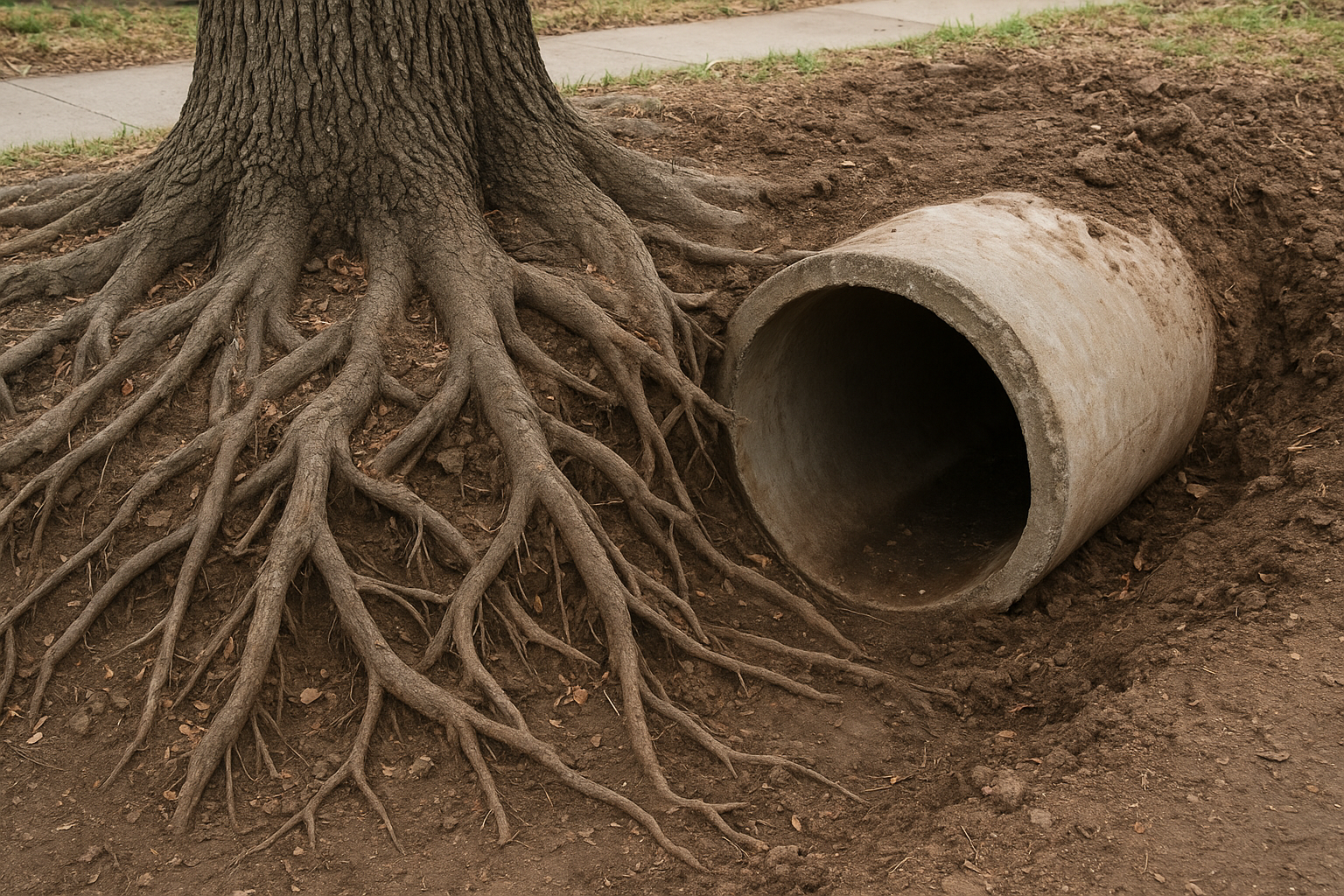
Tree roots invade Sacramento sewer lines most often in homes built before 1970, where clay or cast iron pipes develop cracks that attract roots seeking moisture during the hot dry summers. In neighborhoods with large established trees such as Land Park and East Sacramento, roots from oaks and elms can reach 30 feet or more to enter joints or fractures, causing recurring clogs that worsen once cool wet winters arrive and growth accelerates.
Why Roots Target Sacramento Sewer Pipes
Sacramento's mix of mature landscaping and older pipe materials creates ideal conditions for root intrusion. Pre-1970s homes in areas like Midtown and Oak Park commonly have clay pipes with mortar joints that shift over decades, allowing fine root hairs to enter. During the long hot dry summers, roots follow the consistent moisture inside the sewer, then expand and widen the openings once winter rains return. This cycle repeats yearly, turning small entry points into full blockages that affect multiple fixtures at once.
Common Signs of Root Intrusion
Slow drains that improve temporarily after snaking but return within weeks point to root growth rather than simple debris. Gurgling sounds from toilets or floor drains during heavy use often signal partial blockages caused by roots compressing the flow path. Multiple fixtures backing up simultaneously, especially after rain, usually means roots have reached the main line running from the house to the street. Homeowners in South Sacramento and North Sacramento report these symptoms most frequently in homes surrounded by large shade trees planted decades ago.
How Roots Damage Older Lines
Roots do not simply clog pipes; they exploit existing weaknesses in Sacramento's older sewer infrastructure. Clay and cast iron lines develop hairline cracks from soil movement and age, giving roots an entry point. Once inside, roots absorb water and nutrients, then swell to several times their original size, splitting joints further apart. Over 8–12 years this process can reduce pipe capacity by more than half, leading to sewage backups into basements or yards. Hard water common in Sacramento adds scale that narrows the pipe even more, compounding the root problem.
Practical Steps to Reduce Root Problems
Regular camera inspections every 3–5 years help catch early root entry before it becomes a full blockage. Mechanical root cutting removes growth inside the line but must be paired with chemical root inhibitors applied through the cleanout to slow regrowth. Homeowners can also map tree locations relative to the sewer lateral and consider replacing high-risk sections with modern materials during any excavation. These steps work best when performed before the first winter cold snap when water heaters and sewer demand both increase.
Repair Options When Roots Have Taken Hold
For lines with repeated root issues, Sewer Line Repair often involves targeted excavation to replace damaged sections while preserving healthy pipe. Trenchless Sewer Repair offers a less invasive alternative using pipe bursting or lining, which works well in tight yards common in Downtown Sacramento and Midtown. After repair, connecting the new section to the existing line requires proper slope and cleanouts to prevent future root entry. Readers facing recurring backups can review current pricing factors in the Sewer Line Repair Cost in Sacramento guide before scheduling an inspection.